 Skip to main content Skip to footer


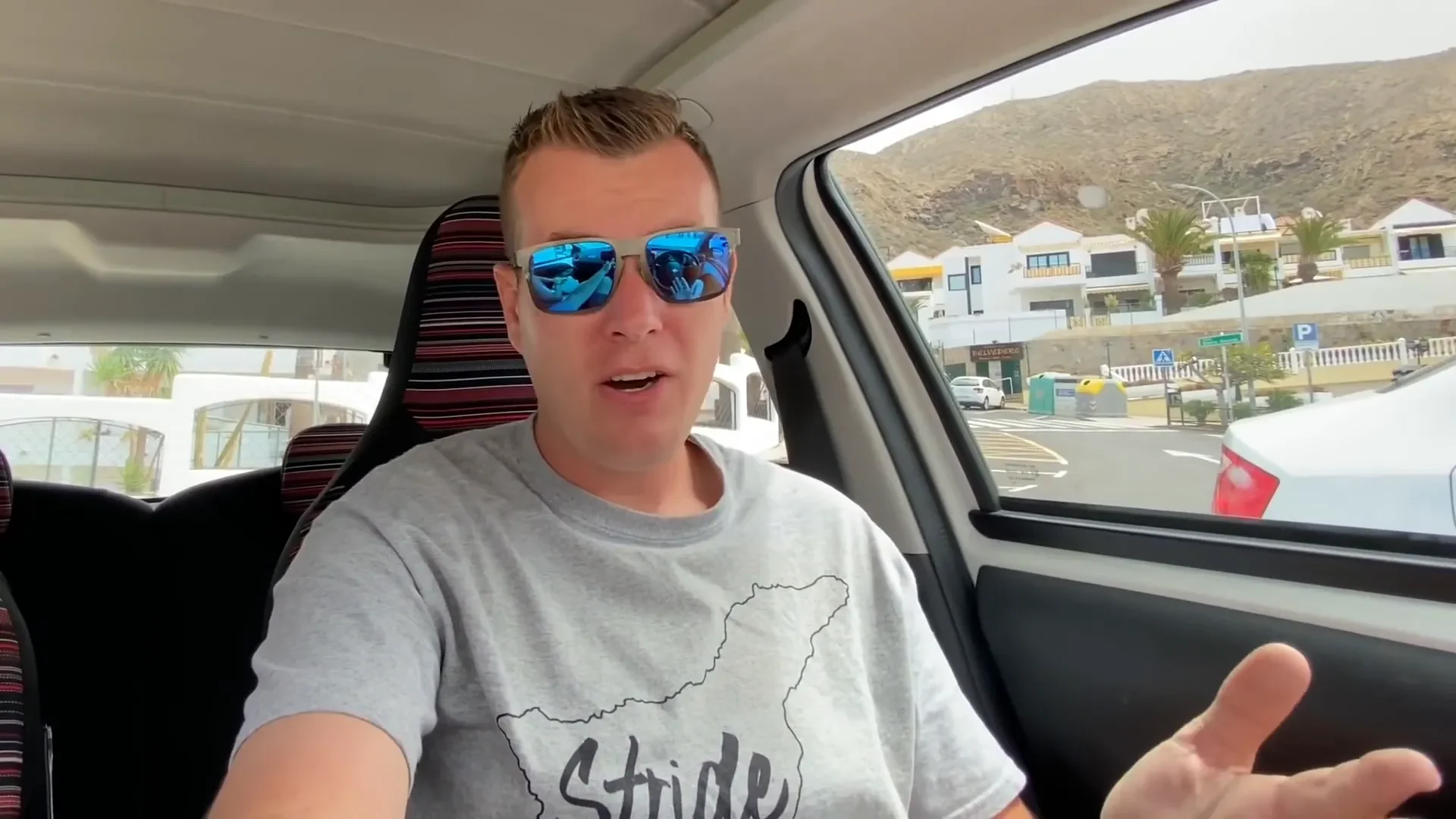
I’m Andrew – The Knightstrider – and after living in Tenerife for years and running a local car hire business, I’ve learnt a few simple rules that make exploring the island easy and stress-free. This guide pulls together the most useful tips for driving in Tenerife: from what to check when you pick up a rental, to parking rules, roundabouts, motorways and hill-driving advice. If you prefer to watch, there’s a short video below.
Quick overview: Why rent a car in Tenerife?
Renting a car is the best way to see Tenerife’s scenic roads and viewpoints that buses can’t reach. Fuel and rental prices are generally good value here, and a car gives you the freedom to explore at your own pace. If you’re booking locally, my company Sanasty offers collection from Tenerife South airport, hotel delivery or pickup from Los Cristianos – quote “KnightStrider” for a 10% discount.
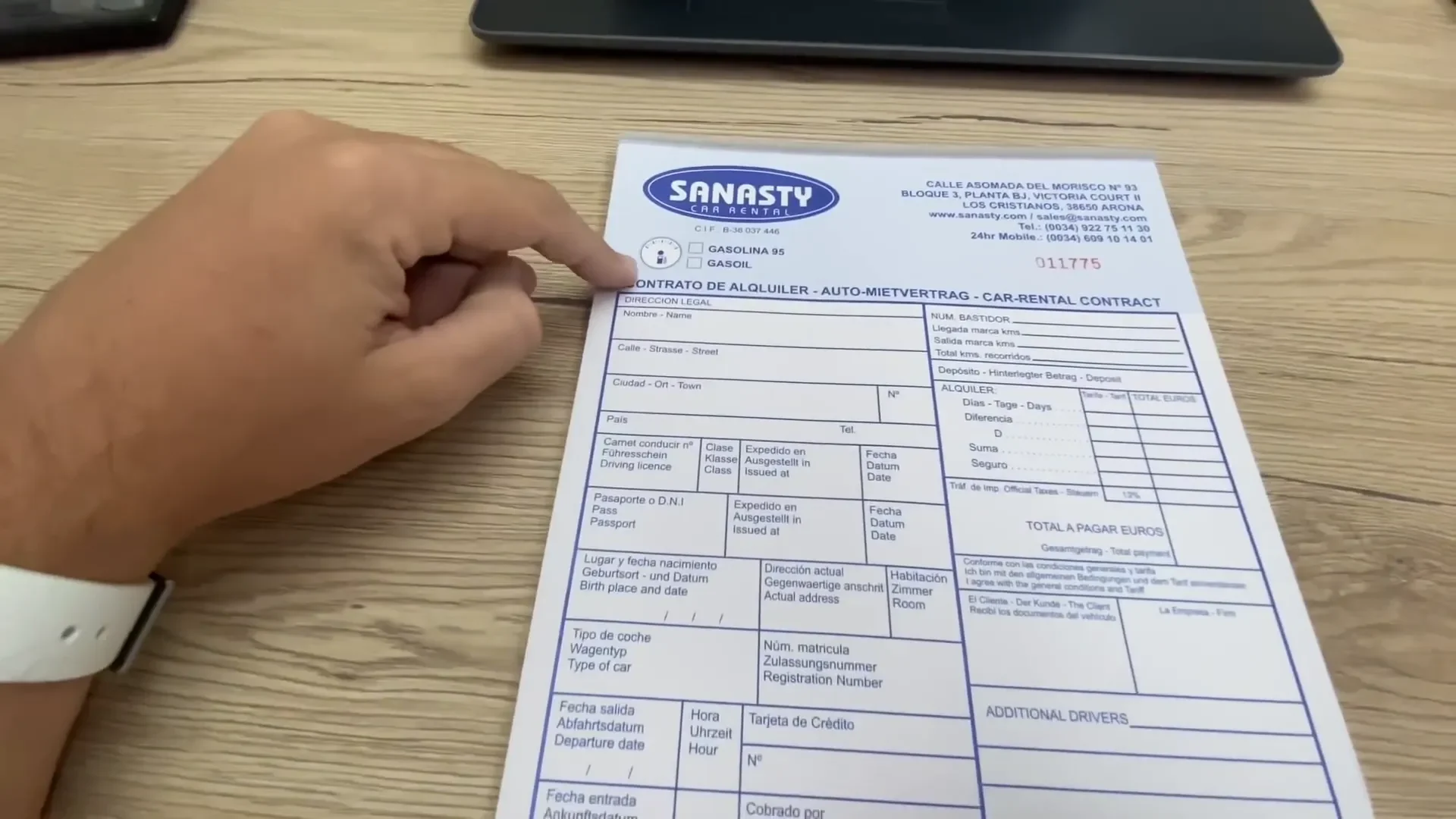
Before you collect the car: paperwork & booking checklist
Get these essentials right before arrival to avoid delays:
- Passport and driving licence: You must have your driving licence – a passport alone is not enough.
- International Driving Permit: Depending on your country (UK drivers from June onwards may need one), check your government website. They’re cheap from the post office.
- Insurance & taxes: Confirm what insurance level is included and whether VAT (12%) is on your rental invoice.
- Fuel policy: Many companies use “return same level” – this is usually the fairest option. Avoid pre-paying for a “full-to-empty” option as you’ll likely pay a premium.
At collection: inspect, record and secure
When you get the keys, do a full walk-round and document the car. Use your phone to take photos and short video of every panel, the odometer and any existing damage – it removes the guesswork if a dispute arises.
If you’ve hired a baby seat, fit it properly. Many companies ask customers to install seats themselves – read the instructions or ask staff to confirm the installation.
Familiarise yourself with the car
Before you join the road, spend a couple of minutes learning the controls: how to start the car, indicator and light positions, main beams and fog lights, gearbox layout (some cars might show unusual letters – e.g. an “E” for drive), seat and mirror adjustments.
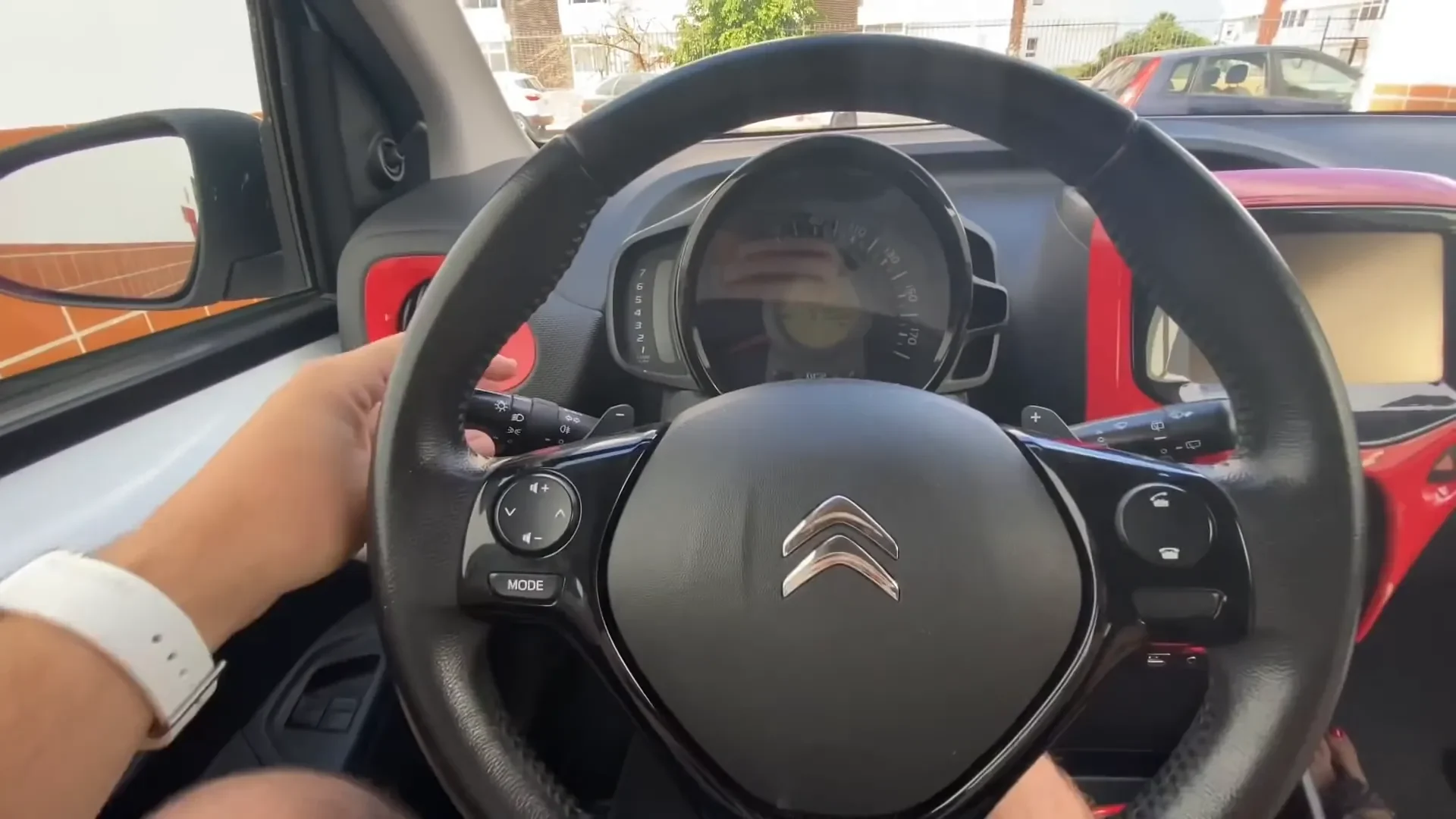
If you’re unsure about a model, watch a quick YouTube review of that car model before your trip so you know where the controls are.
General driving tips for the island
Driving in tenerife is straightforward if you stay alert and patient:
- Take your time: Don’t feel pressured by traffic behind you – drive at a comfortable pace and be confident.
- Left-hand driving: If you’re switching sides (for example from right- to left-hand driving), it really is like riding a bike – you’ll adjust quickly.
- Watch for locals not indicating: Many drivers don’t use indicators consistently – keep a safe following distance and anticipate lane changes.
- GPS & maps: Use Google Maps (ensure you have mobile data) or pick up a free paper map as a backup.
Roundabouts and traffic lights
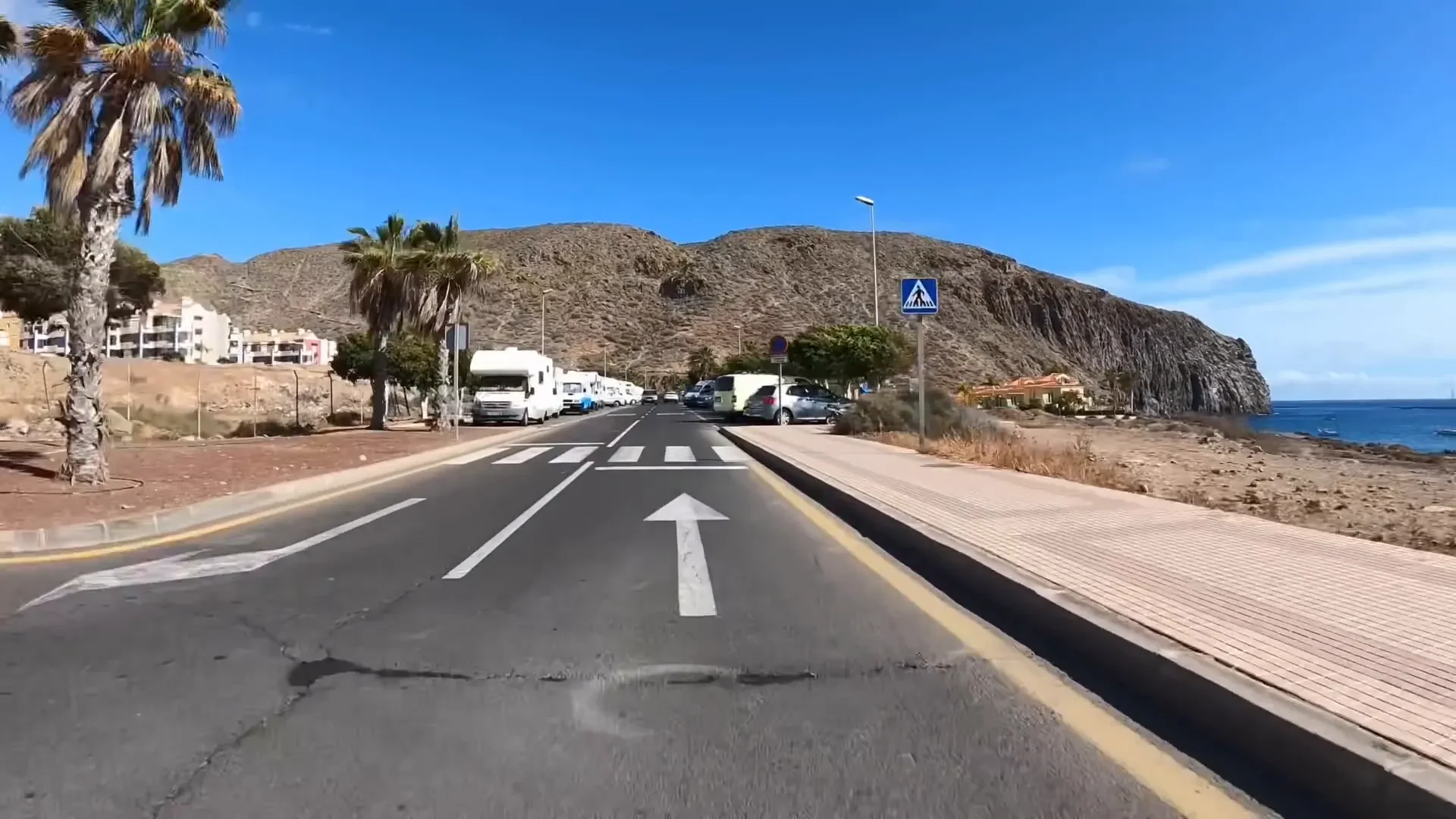
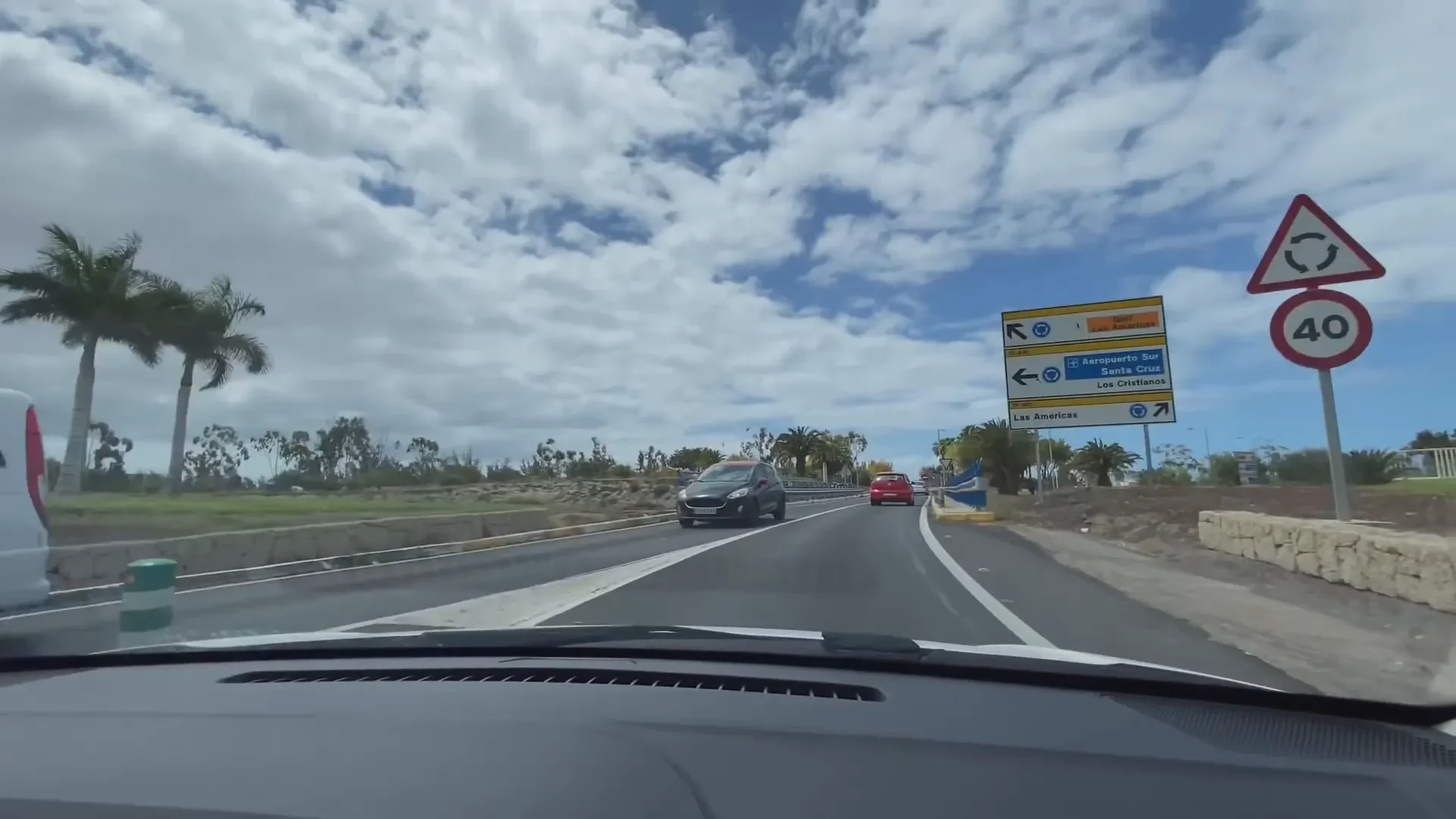
Tenerife loves roundabouts – large and small. Most are simple and keep traffic flowing, but the big multi-lane roundabouts (a few only on the island) can get busy at peak times. Key advice:
- Choose your lane early – but expect drivers to cut across. Stay alert to others’ movements.
- Smaller roundabouts are usually one-lane and simple to navigate.
- Traffic lights are less common; in Santa Cruz you’ll see flashing amber signals – proceed with caution when flashing.
Motorways, slip roads and speed cameras
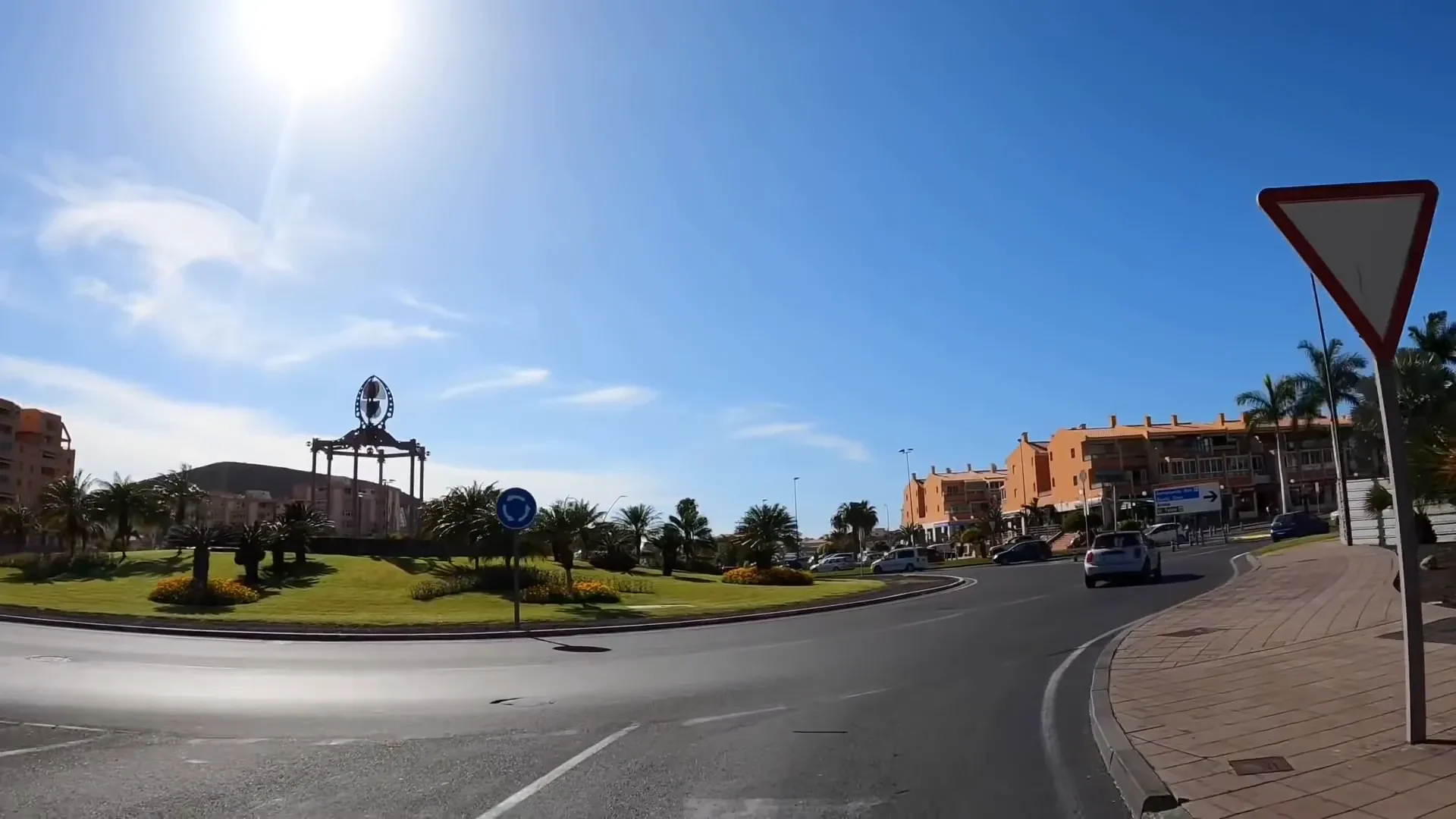
Motorway signs are clear: blue signs show upcoming junctions, which turn white as you approach the exit. Slip-roads are often shorter than you might be used to, so get up to speed quickly and merge smoothly.
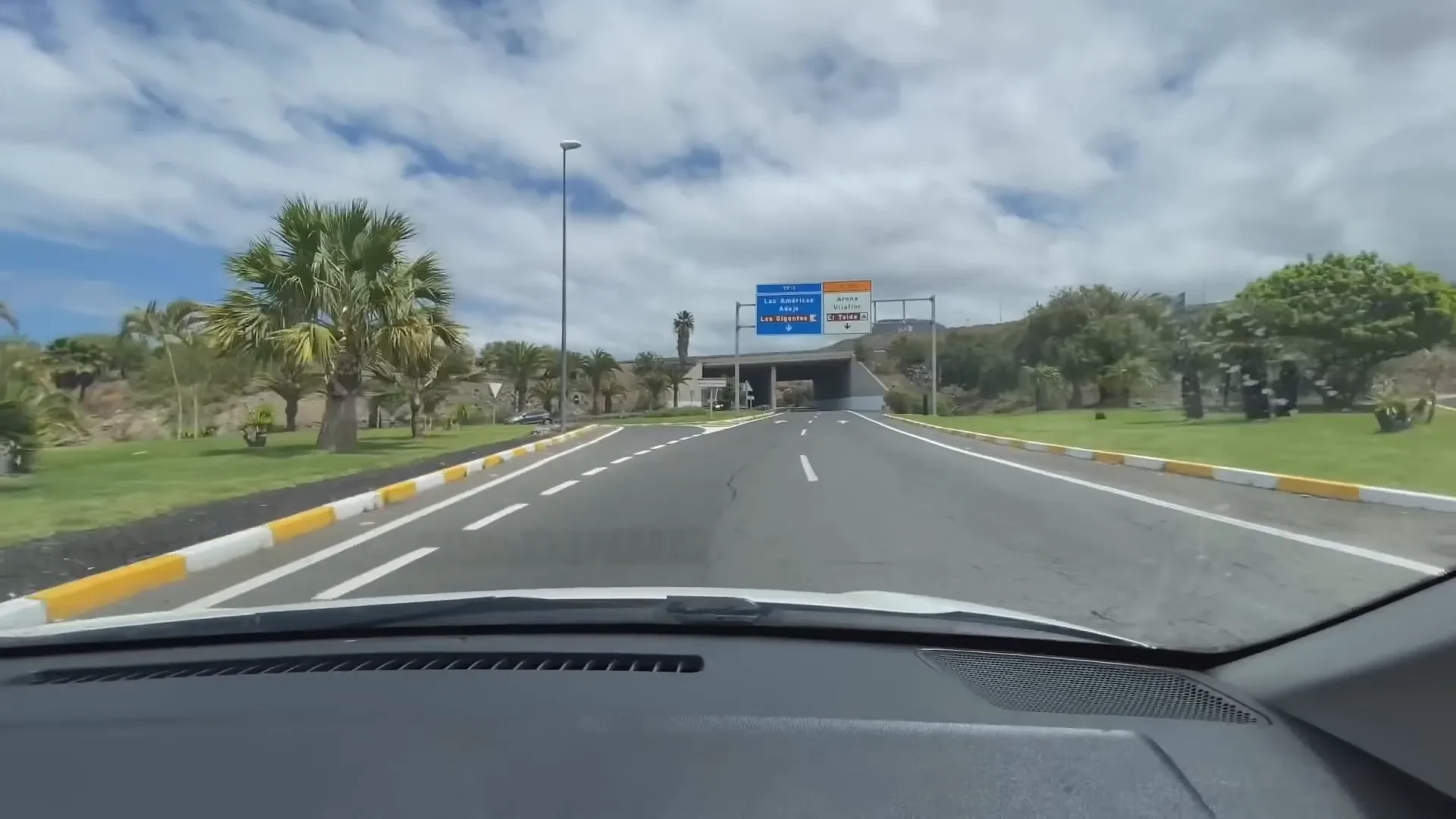
Speed limits are well signposted- parts of the network are 120 km/h with lower limits where appropriate. There are speed cameras and rentals are traceable via passport details, so stick to the limits.
Parking: the biggest slip-up for visitors
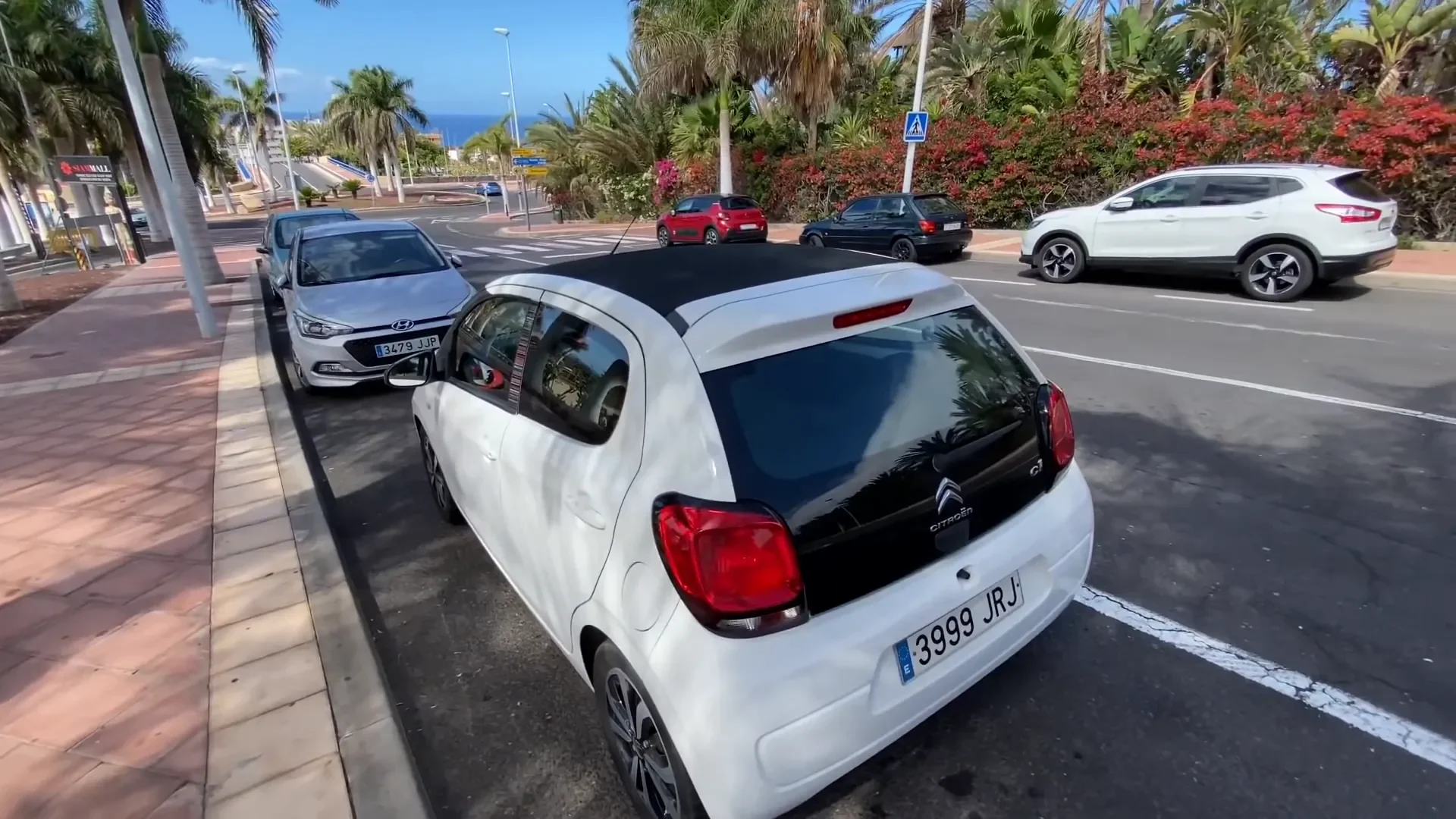
Parking is where most holiday hassles happen – tow trucks and fines are common for rule-breakers. Follow these rules:
- White-lined bays: These are free – aim to use these first.
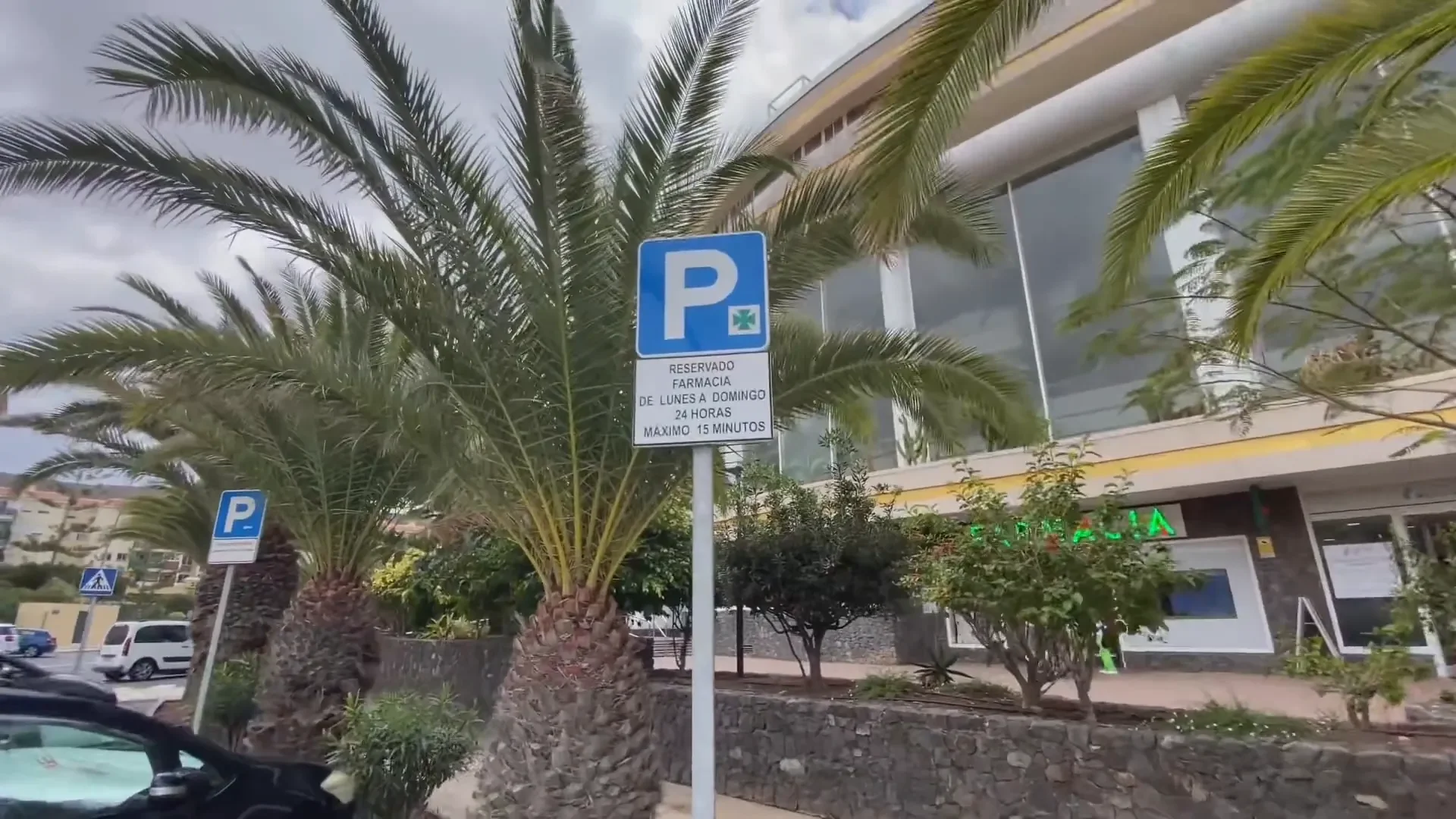
- Pharmacy bays (marked blue sometimes): Only use these if you’re visiting the pharmacy – maximum 15 minutes, 24 hours enforceable.
- Yellow zigzags/loading bays: Usually for loading/unloading (e.g. 09:00–13:00). Avoid using them – rules change by town and enforcement is strict.
- Disabled bays: Only use with a valid badge on display – even a day out of date can get you towed.
- Underground car parks: A cheap and safe option; also the car is cooler when you return.
Towing fee is typically around €50 plus fines (often around €100 depending on the offence), plus taxi and collection time at the compound. Pay a few euros for secure parking rather than risk wasting hours of your holiday.
Protect your belongings – leave the car empty
Never leave valuables visible. Put everything with you – phones, bags, cameras. Thieves watch tourists put things in boots and windows are frequently smashed. Leave the car empty and locked to avoid problems.
Drink, safety and hill driving
Drink-driving enforcement is strict – there are breathalyser checks and road stops. My advice: if you’re driving, avoid alcohol; if you do drink, keep it to a very small amount (think one large beer at most).
Tenerife is hilly. Small rental cars often have modest engines (around 1.0–1.2L). They’ll handle the roads fine but you’ll need to use lower gears and expect slower acceleration uphill. It’s not that the cars are underpowered – it’s the steep inclines.
Final checklist before you turn the key
- Passport, driving licence and (if required) international permit.
- Insurance level, VAT and fuel policy confirmed in writing.
- Walk-round photos/videos of the vehicle condition.
- Baby seat fitted properly if required.
- Phone charged, mobile data for maps and a note of the junction numbers for major routes.
FAQ
Do I need an international driving permit to drive in Tenerife?
It depends on your home country. UK drivers should check current rules – an IDP may be required (often enforced from June for some arrangements). Check your government’s guidance before you travel.
What is the safest fuel policy to pick?
Choose “return at same level” where possible. Pre-paying for a full tank and returning empty often costs more and rarely saves money.
Are there many speed cameras?
There are several speed cameras on the motorways and major roads. Fines for rental cars are traceable back to your passport, so stick to the posted limits.
Where is parking a problem?
Beachfronts and busy town centres can be tricky at peak times. Use white bays or an underground car park if you can. Avoid yellow loading zones and pharmacy bays unless you meet the exact conditions.
How do I handle steep hills with a small car?
Use lower gears and keep the revs up a bit when climbing. Small cars cope well but they’re not high-powered – be patient and let other drivers pass if needed.
Enjoy the drives – and be sensible
Driving in Tenerife is a pleasure: scenic roads, pleasant traffic levels and lots of viewpoints. If you follow the simple rules above – check paperwork, document the car, park sensibly, and respect speed and alcohol rules – you’ll have a smooth and fun time exploring the island.
If you want to hire locally, visit Sanasty and quote “KnightStrider” for 10% off. Happy driving and Stride On.